
The Historic Homes of Northeast Florida (and the Neighborhoods Where They Still Stand)
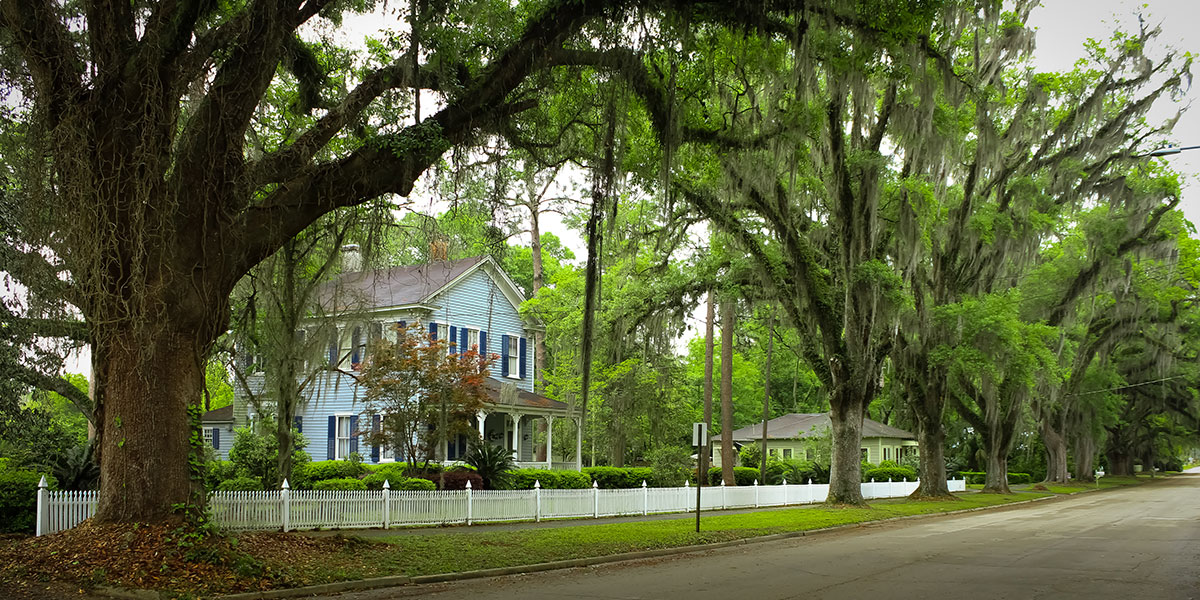
Northeast Florida keeps its history in its rooflines. Drive the older parts of Jacksonville, and you can read a century in the housing: brick bungalows, frame vernacular cottages, Colonial and mid-century homes. These homes are the reason M&M Homes exists, and nearly everything we are proudest of sits within a few blocks of our own front door.
Where our work actually lives: Historic Springfield
Our office is at 1354 N. Laura Street, in the heart of Historic Springfield, and so is our whole portfolio. Springfield is the oldest surviving residential neighborhood in Jacksonville and a National Register historic district. Just a few minutes north of downtown, it is full of Victorian, Queen Anne, frame vernacular, and early-century homes in the middle of a long, genuine comeback. It is the kind of place where saving a house is worth the trouble.
Sometimes the reason is written into the house itself. When our team was restoring the Fireplace House, a 1916 home that had been carved into apartments and left heading toward foreclosure, they opened the attic and found an old writing desk. Inside were love letters and family artifacts. There was also a military commendation signed by President Harry S Truman issued to a young service member who had grown up in that house. We tracked down his surviving daughter and returned the letters to her. The framed commendation still hangs in the home. The daughter later came back on a historic home tour and said she had never seen the house look better. You do not get moments like that from new drywall.
Springfield is where the harder rescues happen, too. The Classic Colonial we restored was a house the neighborhood had written off, so far gone we had to lift it off its failing foundation and build a new one underneath before restoration could even start. Zen Garden, a 1940s apartment building, had collected more than a decade of water, fire, and neglect. We rebuilt its deteriorated brick with masonry stitching and recovered historic brick, then turned its contaminated, rubble-filled courtyard into the best amenity on the property. (The courtyard is where the building got its name.)
The wider map of historic Northeast Florida
Springfield is where we work most, but the region’s heritage runs well beyond it. While not every beloved neighborhood is an actual historic district, this quick tour gives you an idea of the gems found throughout the area.
Riverside and Avondale
Across town, Riverside and Avondale form one of the largest nationally recognized historic districts in the region, a living catalog of early-twentieth-century architecture: bungalows, Prairie, Tudor Revival, Colonial Revival, Mediterranean, on streets that have kept their scale and their trees. This is restoration-and-renovation country, where the details are irreplaceable and the neighbors notice. Explore Riverside and Avondale.
San Marco
Just across the river, San Marco pairs a walkable, Mediterranean-flavored village center with quiet historic residential streets. It rewards owners who want to keep that character while bringing a home into the present.
Beyond Jacksonville
The First Coast does not stop at the county line. St. Augustine, in St. Johns County, is the oldest continuously occupied European settlement in the country, with a depth of historic architecture found nowhere else in Florida. North of the city, Fernandina Beach on Amelia Island, in Nassau County, has a celebrated Victorian district. We build across Duval, St. Johns, Nassau, and Clay, so wherever your historic home stands, the approach is the same.
What owning a historic home really asks of you
Loving an old house and maintaining one are two different skills, and a good builder will tell you so before you sign anything.
Older homes keep secrets behind the plaster: aging wiring, settled foundations, wood rot where water found a way in, framing that needs a specialist rather than a patch. Homes built before 1978 also come with federal lead-based paint rules that shape how the work has to be done, which is a feature, not a nuisance, when the crew knows how to handle it. These are the reasons why it’s important to hire people who have met these surprises before and were not rattled by them.
The payoff is a home you cannot buy new at any price: real materials, honest proportions, and a story that keeps going under your care.
Building new in a historic neighborhood
Not every project on these streets is a restoration. An empty lot or a tired teardown can become the chance to add a home that belongs, one that respects the scale, materials, and rhythm of the block instead of fighting them. Our Centurion plan was drawn straight from a century-old Springfield home we had restored, which is why it reads as part of the neighborhood rather than a newcomer. Done well, a new house in a historic district looks like it has always been there. See how we approach new construction.
Start with the home you love
Whether you are restoring a Springfield Victorian, reworking a Riverside bungalow for the next chapter, or planning a new build that fits its street, the first move is understanding the home and the place, then building around them. See where we build, browse our work, or tell us about your home and the neighborhood you love.
Frequently Asked Questions
Jacksonville’s best-known historic districts include Historic Springfield, the oldest surviving residential neighborhood in the city, along with Riverside and Avondale and San Marco, each with its own architectural character from Victorian and Queen Anne to early-twentieth-century bungalows.
Yes. Riverside and Avondale together form one of Jacksonville’s largest nationally recognized historic districts, known for a wide range of early-twentieth-century styles.
Yes. St. Augustine in St. Johns County and Fernandina Beach on Amelia Island in Nassau County both have significant historic districts. M&M Homes works across Duval, St. Johns, Nassau, and Clay counties.
Older homes can carry hidden conditions such as aged wiring, foundation settling, and wood rot, and homes built before 1978 involve federal lead-based paint requirements. A thorough assessment by a builder experienced with historic homes is the best first step.
Yes. New construction can be designed to honor a historic neighborhood’s scale, materials, and character, so the home fits its surroundings. Our Centurion plan was drawn from a home we had restored nearby.