
Historic restoration, renovation, and new home construction in Lincolnville, St. Augustine, Florida
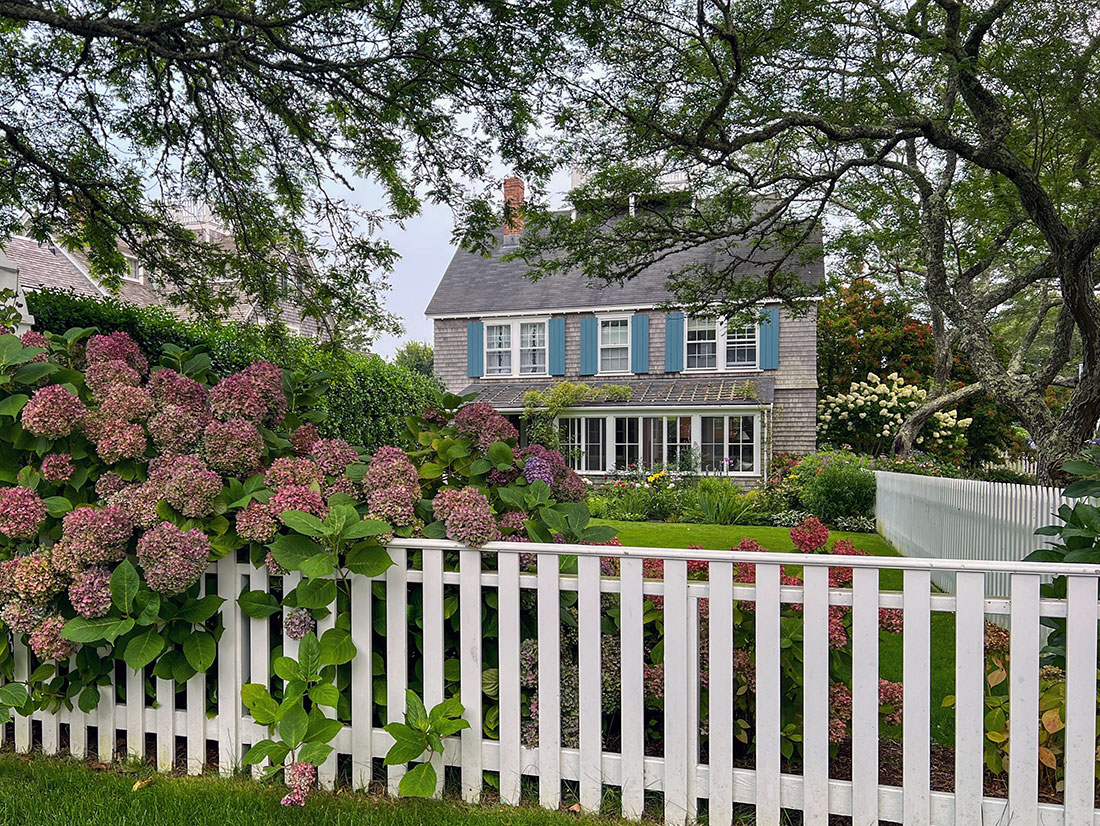
Lincolnville was founded in 1866, when formerly enslaved men and women bought land on the low peninsula just west of St. Augustine’s colonial core and began building a community of their own. First known as Little Africa, it was soon renamed for President Lincoln. Over the decades, its residents raised churches, schools, businesses, and street after street of ornate wood-frame homes.
A century later, Lincolnville stood at the center of the 1964 St. Augustine campaign that helped bring about the Civil Rights Act of 1964. Today, the neighborhood holds the largest concentration of late-Victorian architecture in the nation’s oldest city. In 1991, it was listed as a historic district on the National Register of Historic Places.
Much of that historic fabric has been lost to time and demolition, which makes what remains all the more worth saving. At M&M Homes, we restore and renovate with care for the craftsmanship, the history, and the people who built it, treating every original detail as something to protect.
AREA CONSIDERATIONS
Planning to build, renovate, or remodel a home in Lincolnville?
Lincolnville sits within the City of St. Augustine, so permitting is handled by the city, not St. Johns County. Confirming jurisdiction is the first step, keeping in mind that a St. Augustine mailing address does not always mean a property is technically within the city.
St. Augustine rightly takes historic preservation seriously. Anywhere in the city, fully demolishing a building 50 years or older requires approval by the Historic Architectural Review Board (HARB). On historically designated and Historic Preservation-zoned properties, exterior alterations and new construction require a Certificate of Appropriateness under the city’s Architectural Guidelines for Historic Preservation.
With Lincolnville’s low-lying setting near Maria Sanchez Creek and the San Sebastian River, flood-zone and elevation requirements often apply, and the city’s archaeological review can as well.
We confirm your property’s zoning, HARB requirements, flood zone, and any archaeological review at the start of every project.
QUICK FACTS
- Founded in 1866 by formerly enslaved residents on former plantation land
- Originally known as Little Africa before being renamed for President Lincoln
- Central to the 1964 St. Augustine civil rights campaign that helped spur the passage of the Civil Rights Act of 1964
- Home to the largest concentration of late-Victorian architecture in St. Augustine
- 1991: Listed as a historic district on the National Register of Historic Places
WHAT WE DO IN LINCOLNVILLE
FREQUENTLY ASKED QUESTIONS
Lincolnville is within the City of St. Augustine, so permitting, plan review, and inspections are handled by the city rather than St. Johns County. A St. Augustine mailing address does not always mean a property is within city limits, so we confirm the exact jurisdiction as a vital first step in any project.
In most cases involving exterior work, yes. Across St. Augustine, demolishing any building 50 years or older requires Historic Architectural Review Board (HARB) approval, and on designated and Historic Preservation-zoned properties, exterior alterations and new construction require a Certificate of Appropriateness under the city’s Architectural Guidelines for Historic Preservation. Interior work generally falls outside that review. We confirm exactly what applies to your property and handle the HARB process for you.
Yes, there are two worth knowing. As the oldest city in the country, St. Augustine has an archaeological review process that can apply to ground-disturbing work. Also, much of Lincolnville sits low near the water, so flood-zone and elevation requirements often come into play. We check both during planning, so they are addressed early in the project.
Yes, and we consider it a privilege. Lincolnville’s homes are largely wood-frame residences from the late 1800s and early 1900s, and many need structural, roofing, and systems work, along with careful finish restoration. Our approach is to preserve and repair original material wherever possible and work in a way that meets or exceeds the city’s preservation standards. We assess the full scope honestly before any work begins.
Yes. Lincolnville has vacant and infill lots, and new construction is possible, but on designated and Historic Preservation-zoned properties, it must earn a Certificate of Appropriateness and fit the scale, materials, and rhythm of the historic street under the city’s guidelines. We design new homes that belong in the neighborhood and manage the HARB review with you.
Timeline varies by scope, and historic review adds lead time. A focused interior renovation might take six to twelve weeks. A full renovation or new construction project typically runs six months to over a year, plus the HARB review process for exterior and demolition work. We develop a realistic schedule during the pre-construction phase and communicate proactively throughout the process.
In addition to Lincolnville, we work throughout St. Augustine and St. Johns County, as well as Jacksonville’s established historic neighborhoods, including Riverside, Avondale, San Marco, and Springfield, and the beach communities of Atlantic Beach, Neptune Beach, Jacksonville Beach, and Ponte Vedra. Our full service area covers St. Johns, Duval, Nassau, and Clay counties.


